Phnom Penh's LGBTQ+ Scene: Vibrant, Yet Still a Work in Progress
Phnom Penh is often lauded as a relatively open destination for LGBTQ+ travelers in Southeast Asia, but a closer look reveals a complex landscape of cultural acceptance and legal stagnation.
AI-generated image
Is Phnom Penh truly one of Southeast Asia's more relaxed cities for LGBTQ+ travelers? While the capital certainly boasts a visible and evolving scene, painting it with a broad stroke of complete ease overlooks the nuanced reality of legal protections, cultural norms, and the ongoing fight for full equality for local Cambodians.
Cambodia has a unique history regarding LGBTQ+ rights: same-sex sexual activity has never been criminalized in the country's history, a significant contrast to many of its regional neighbors. This foundational leniency has allowed a gay scene to develop in cities like Phnom Penh and Siem Reap, with the capital's offerings expanding and diversifying since the 1990s. Yet, despite this historical tolerance, the path to full legal and societal recognition remains challenging.
A Paradox of Acceptance and Aspiration
While personal freedoms are not criminalized, the lack of explicit anti-discrimination protections for LGBTQ+ people is a significant hurdle in Cambodia. The Constitution, as modified in 2011, still defines marriage as a union between "one husband and one wife" (Source 6). This constitutional definition means that legal recognition such as marriage equality remains out of reach for same-sex couples. Beyond marriage, there are no explicit anti-discrimination protections for LGBTQ+ people in civil rights laws, employment, education, healthcare, housing, banking, or public accommodations (Source 6). This gap in the legal framework leaves many local Cambodians vulnerable to societal discrimination, including forced opposite-sex marriages, discrimination at work, and bullying in schools. Furthermore, hate crimes based on sexual orientation and gender identity are not prohibited by law (Source 6).
Despite these legal hurdles, there is a clear push for greater recognition and acceptance. King Norodom Sihamoni supports the legalization of same-sex marriage, following the sentiment of his predecessor, King Norodom Sihanouk, who in 2004 expressed admiration for same-sex marriages abroad and a willingness to legalize them if his people desired (Source 6). In 2019, the Cambodian Government even accepted recommendations from Iceland, the Netherlands, and Canada during a United Nations Human Rights Committee review to legalize same-sex marriage (Source 6).
The Growing Voice of Pride
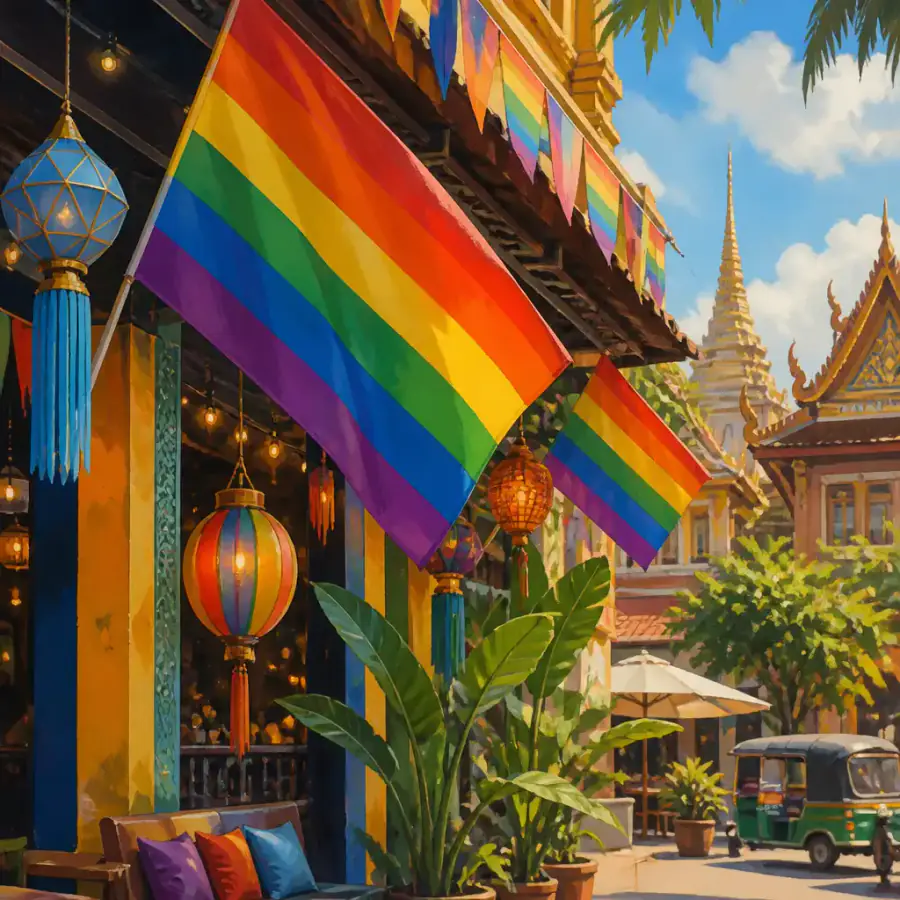
The annual Pride celebrations in Cambodia underscore this ongoing struggle and the community's resilience. The first LGBT Pride celebration was held in Phnom Penh in 2003, and these events have been gaining traction every year, growing "louder, braver, and more beautiful" (Source 6, Source 3). The capital's riverside promenade has seen thousands gather for Cambodia's largest Pride celebrations (Source 2). These festivals, like the one scheduled for May 24, 2025 (Source 1, Source 4), and the one held on May 27, 2023 (Source 7), feature colorful performances, drag competitions, fashion shows, and community concerts, all under themes of visibility, acceptance, and pride. They serve as crucial platforms for raising awareness and reclaiming space, especially in a society where stigma and family rejection persist (Source 3).
Community organizations like the Rainbow Community Kampuchea (RoCK) have taken proactive steps to offer some form of legal recognition. They have created a formal relationship registry program called the "Declaration of Family Relationship," a civil contract that allows two people to share responsibility for family and assets, similar to legal spouses. By May 2018, this contract had been introduced in 50 communes across 15 provinces, with 21 couples having signed the forms (Source 6). Additionally, these organizations have successfully persuaded the Government to introduce LGBT-inclusive education classes in all Cambodian schools (Source 6).
For visitors, Phnom Penh offers a vibrant gay community, with a visible scene of bars, clubs, and events that has diversified since the 1990s (Source 6, Source 8). The city is considered by many as the best place for gay nightlife in Cambodia, with Siem Reap as its only competitor (Source 16). While public displays of affection are generally considered inappropriate regardless of gender in Cambodian culture, particularly in rural areas (Source 8), gay visitors are generally accepted, and booking accommodations is typically not an issue (Source 6, Source 8). Despite its advancements, the city reflects Cambodia's broader paradox: a generally accepting culture with a visible LGBTQ+ presence, yet still lacking the comprehensive legal protections that would ensure full equality for its own citizens.
Keep reading
No topics yet: start the first one.
More stories
Air Transat's Codeshare: A New Gateway for North American Travelers to Cambodia
The Canadian Transportation Agency's recent approval for Air Transat's codeshare flights to Cambodia, likely with Turkish Airlines, promises to simplify long-haul travel from North America and significantly boost access to Phnom Penh's new airport infrastructure.

Cambodia's Shadow Economy: What a Crime Kingpin Expose Means for Travelers
A recent Al Jazeera investigation into an alleged crime kingpin's operations underscores the persistent safety concerns international visitors should heed in Cambodia.
Cambodia Travel Prep: Why a Little Planning Goes a Long Way
Navigating Cambodia's unique entry requirements, dual currency system, and connectivity options efficiently means less hassle and more time enjoying your trip.
Embrace the Seasons: Finding Your Perfect Phnom Penh Visit
Deciding when to explore Phnom Penh means navigating its distinct climate and vibrant festivals, each offering a unique window into Cambodian life.