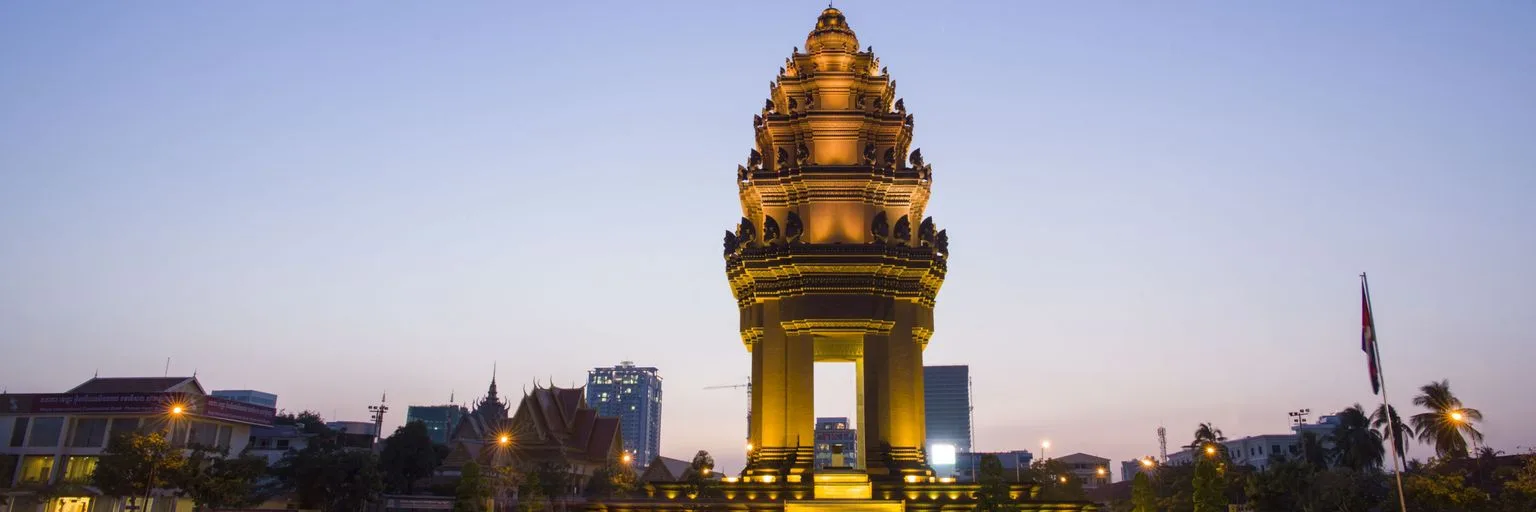
Phnom Penh for First-Timers: More Than Just a Stopover
For those venturing into Cambodia's capital, Phnom Penh demands at least two or three dedicated days to truly grasp its complex history and vibrant present, offering a rich experience beyond quick transit.
Is Phnom Penh merely a gateway to Angkor Wat, a place to briefly pass through on a Cambodian adventure? While many itineraries might suggest a fleeting visit, we firmly believe that Cambodia's capital city deserves more than just a quick glance. For first-time visitors, understanding Phnom Penh means dedicating sufficient time to its poignant history, bustling markets, and lively riverside, ensuring a truly impactful and memorable experience.
Phnom Penh is a city of contrasts, a place where ancient traditions blend with a rapidly modernizing landscape. It is a destination that challenges and educates, offering profound insights into the nation's past while celebrating its vibrant future. To truly appreciate its depth, we suggest carving out at least two to three days in your itinerary, allowing for exploration at a pace that honors its significant sites and local charm.
Unpacking Phnom Penh's Essential Stories
No visit to Phnom Penh is complete without confronting the shadows of its recent history, particularly the Khmer Rouge regime. The Tuol Sleng Genocide Museum and the Choeung Ek Genocidal Centre, commonly known as the Killing Fields, are not merely attractions but vital memorials that offer a harrowing yet essential understanding of Cambodia's past. While emotionally taxing, these sites provide crucial context for the resilience of the Cambodian people and are, in our view, an absolute must-see. These can be visited in a single day, or split across two if you prefer a more reflective pace, as suggested by Nomadic Boys.
Beyond its solemn historical sites, Phnom Penh buzzes with life. The Royal Palace and Silver Pagoda offer a glimpse into Cambodia's royal heritage with their intricate architecture and glittering stupas, while the lively Sisowath Quay, or riverside, provides a perfect setting for evening strolls and people-watching. Exploring local markets like Orussey Market or the Central Market (Phsar Thmei) immerses visitors in daily Cambodian life, offering everything from local delicacies to unique souvenirs. These cultural touchstones are integral to experiencing the city's unique pulse.
Mastering City Navigation and Payments
Getting around Phnom Penh has become remarkably straightforward, even for first-time visitors. The ubiquitous tuk-tuk remains a quintessential Cambodian experience, offering an open-air perspective of the city's sights and sounds. For those who prefer the convenience of ride-hailing, apps like Grab and PassApp are widely available for booking both tuk-tuks and cars in major destinations including Phnom Penh, as noted by ibis.accor.com. Another popular option emerging in the transport sector is TADA, which even features EV tuk-tuks, as discussed on reddit.com. For payments, the Bakong Tourists app has simplified transactions since early 2025, allowing visitors to use international Visa or Mastercard for KHQR code payments at numerous shops and tuk-tuks, reducing the need for small Riel notes or pristine US dollar bills. However, we advise carrying $50-100 USD in cash for unexpected situations or more remote locales.
The Ideal Duration for a First Visit
So, how many days are truly enough for Phnom Penh? While some sources suggest that a minimum of one day can cover the highlights, a more thoughtful approach, which we endorse, is to allow two to three days. This duration provides ample time to engage with the city's main attractions, delve into its local cuisine, and absorb the atmosphere without feeling rushed, a sentiment echoed by many travel guides including nomadicboys.com. Trying to squeeze everything into a single day, though possible for some, risks turning profound historical encounters into a mere checklist exercise. A longer stay allows for deeper reflection and a more authentic connection with the city.
Planning Your Arrival: Beyond the City Limits
For European travelers, getting to Cambodia, specifically Phnom Penh, involves a stopover as no airlines fly direct from Europe. This often means purchasing what are effectively two bundled tickets, which has contributed to increased fares. Routes through hubs like Bangkok, Singapore, or Doha are common, with options to connect via Ho Chi Minh City or Hanoi (though the latter may require a Vietnam visa if booking separate tickets). One strategic way to save on flights is often by booking a separate flight to Bangkok on a major carrier, then connecting to Phnom Penh on a regional airline, potentially saving €300-500, according to Air Traveler Club.
Another crucial step for first-timers is securing a Cambodian E-Visa. We highly recommend applying for the official E-Visa online at evisa.gov.kh for $36. This process is typically efficient, taking about three business days, and allows travelers to bypass potential queues and requests for extra fees often encountered at Visa on Arrival counters. This simple preparation can significantly smooth your entry into the country.
Ultimately, Phnom Penh offers a rich tapestry of experiences that blend solemn history with vibrant culture. It's a city that deserves to be explored thoughtfully, not rushed. By dedicating two to three days, travelers can truly absorb its unique character, navigate its streets with ease, and leave with a much deeper appreciation for Cambodia's enduring spirit.
More Phnom Penh guides
- BKK1: Phnom Penh's Premier Hub for Culture and Convenience
- Phnom Penh's Pool Day Passes: Your Oasis from the Heat
- Phnom Penh Stays: Boutique Charms Outshine Budget Hostels
- Phnom Penh's LGBTQ+ Scene: Vibrant, Yet Still a Work in Progress
- Phnom Penh's Top 3 Ranking: Your Essential Gateway to Cambodia
- Phnom Penh's Food Scene: Why It's More Than Just Street Stalls
- Embrace the Seasons: Finding Your Perfect Phnom Penh Visit
- Cambodia Travel Prep: Why a Little Planning Goes a Long Way
No topics yet: start the first one.
More stories
BKK1: Phnom Penh's Premier Hub for Culture and Convenience
For those seeking the vibrant pulse of modern Phnom Penh while staying connected to its rich history, the BKK1 district offers an unrivaled blend of convenience, culture, and cosmopolitan flair.